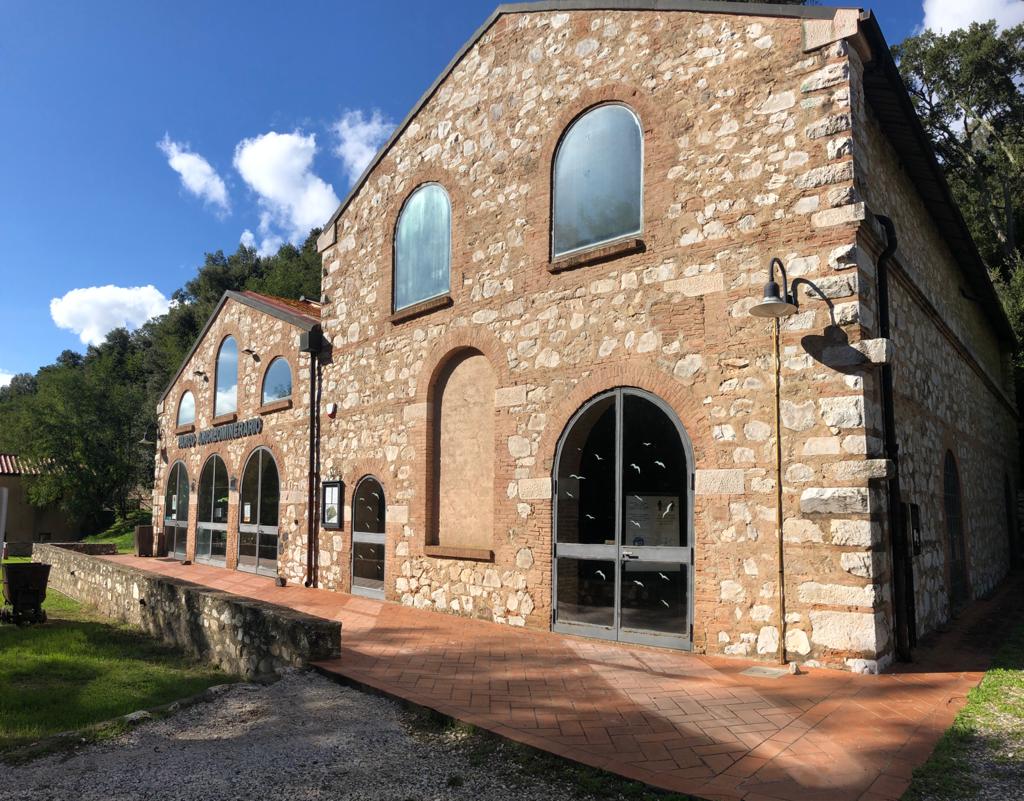
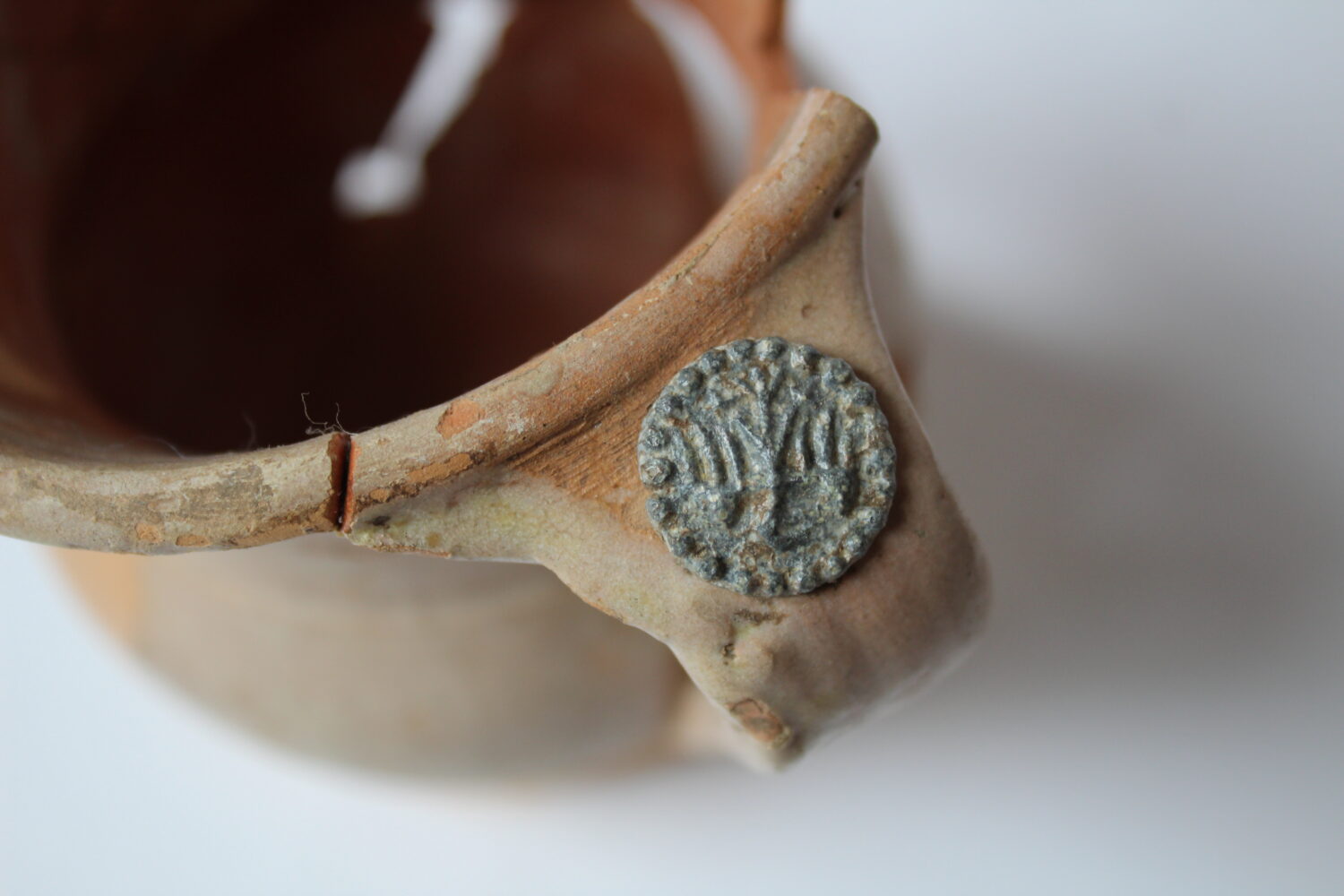
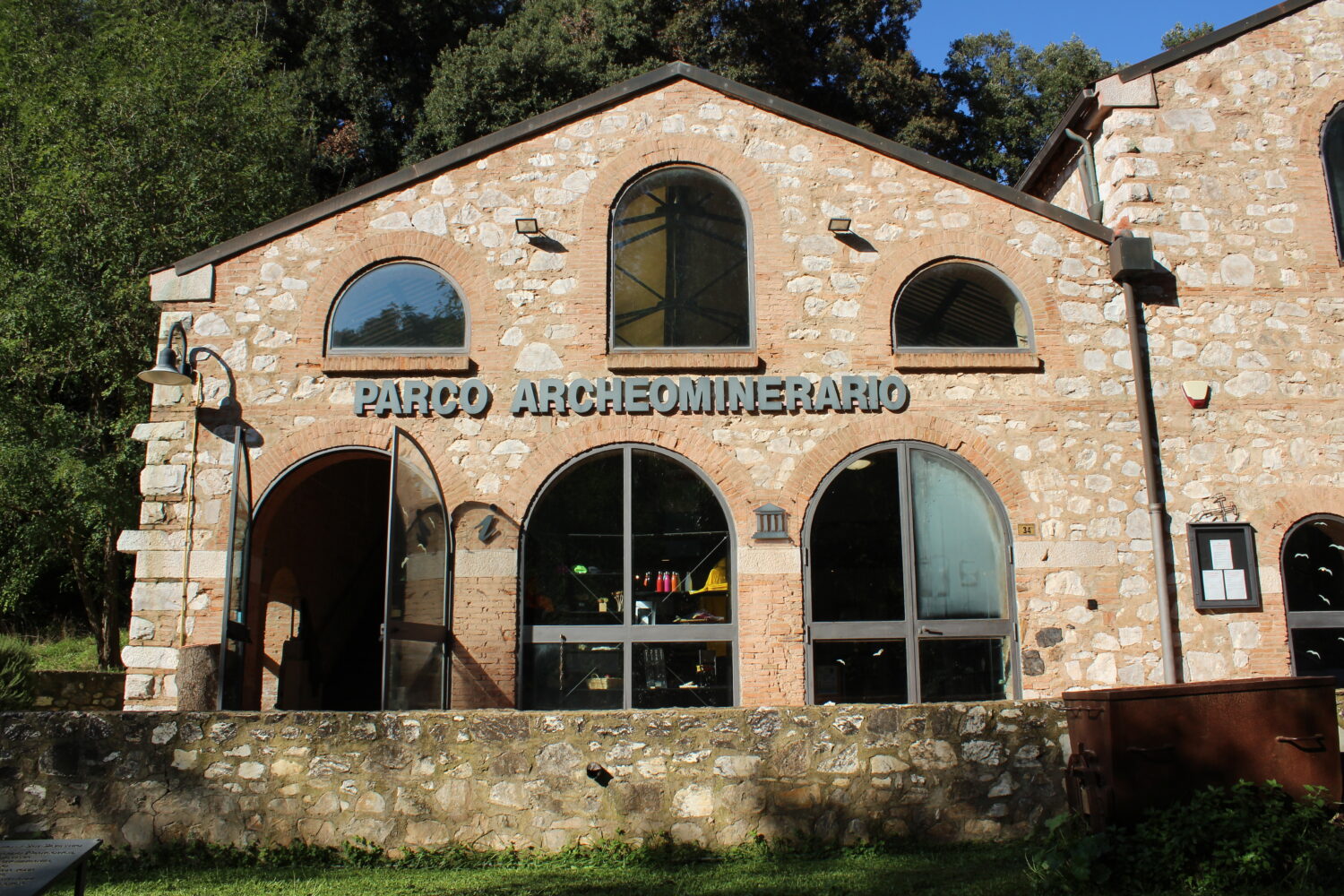


The Museum of Archaeology and Minerals, inaugurated in 1996, is located at the entrance of the park inside a mining building from the early 1900s, which has been specially restored. It displays a collection of minerals from the Campigliese area and archaeological materials from the archaeological excavation of Rocca San Silvestro.
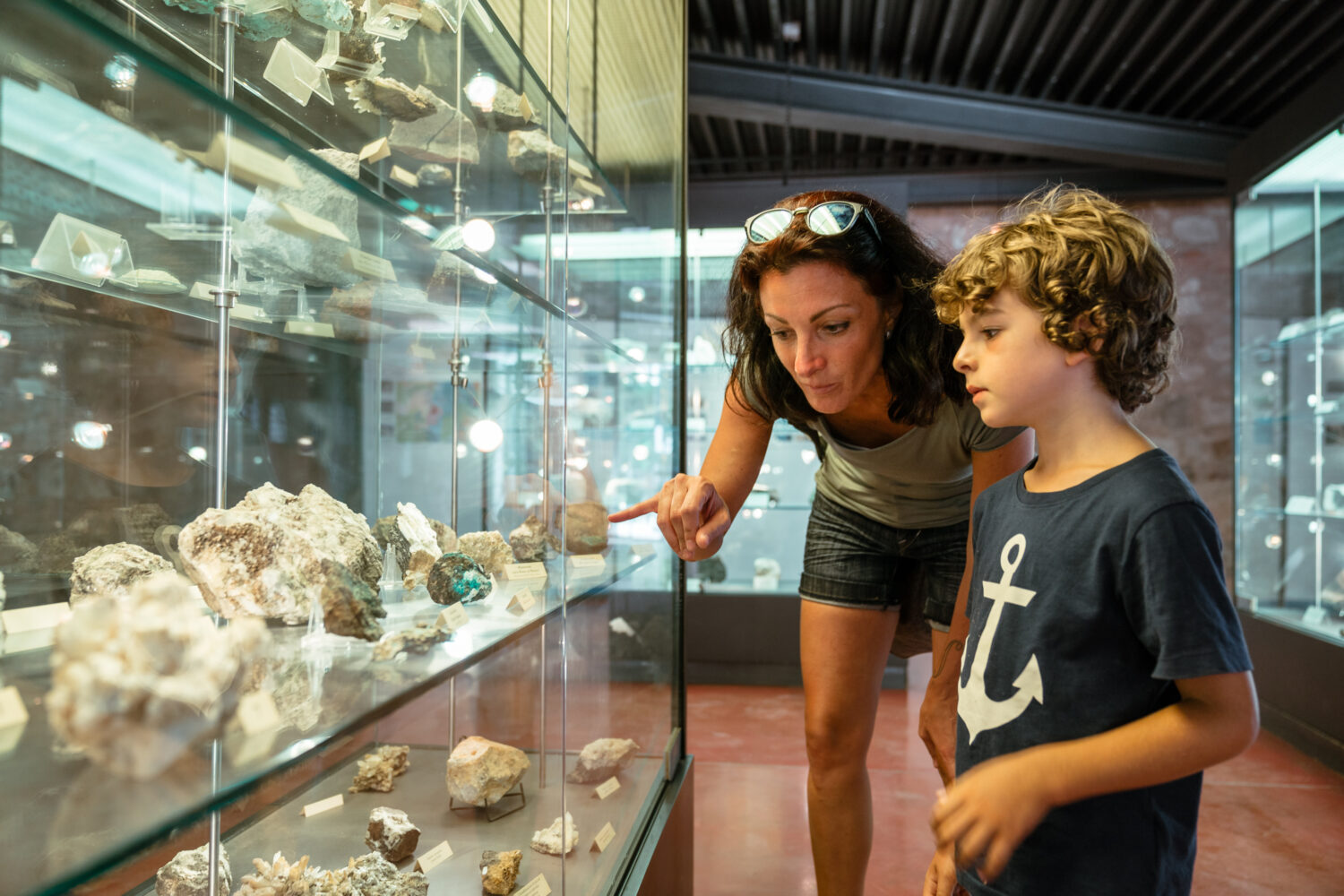
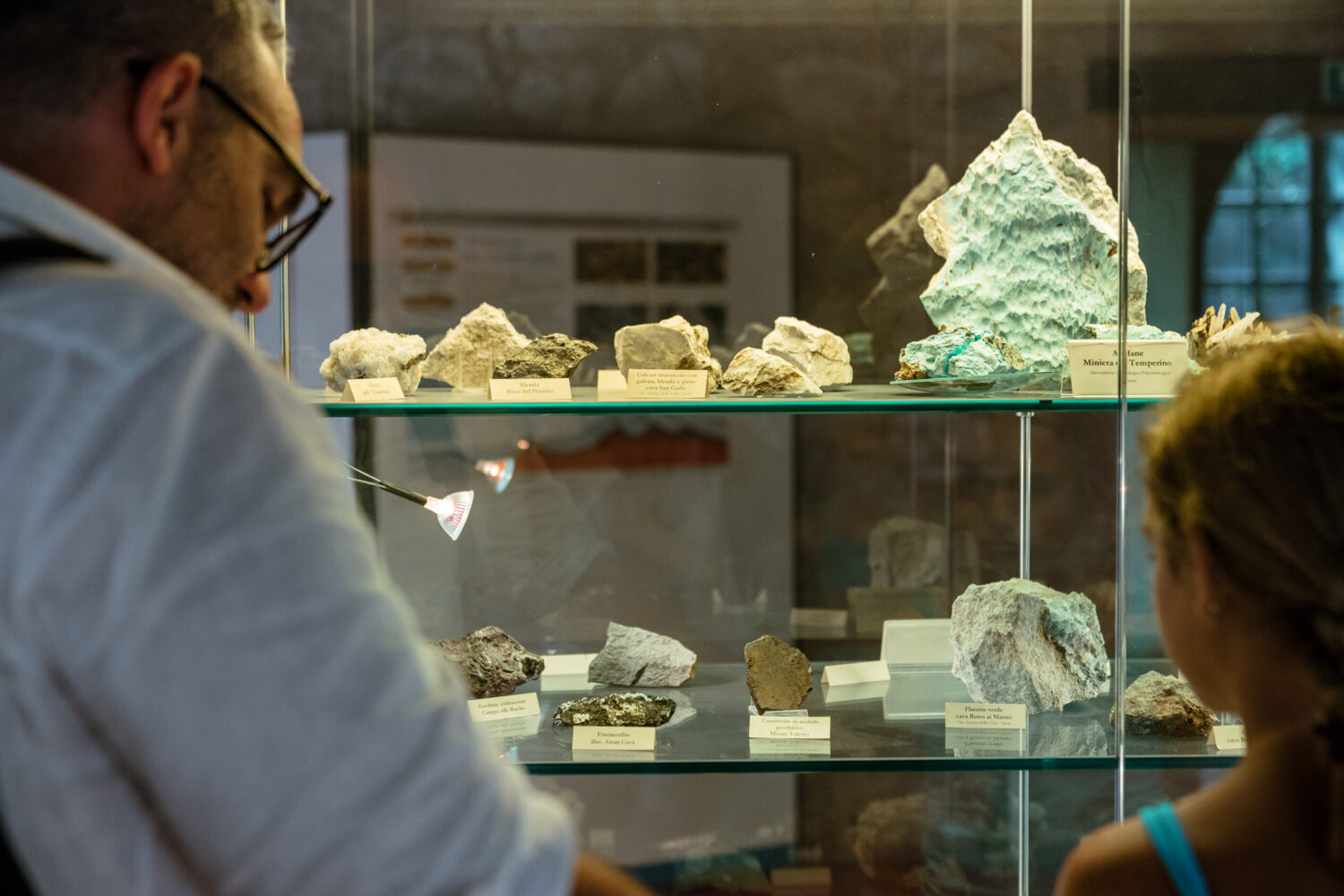
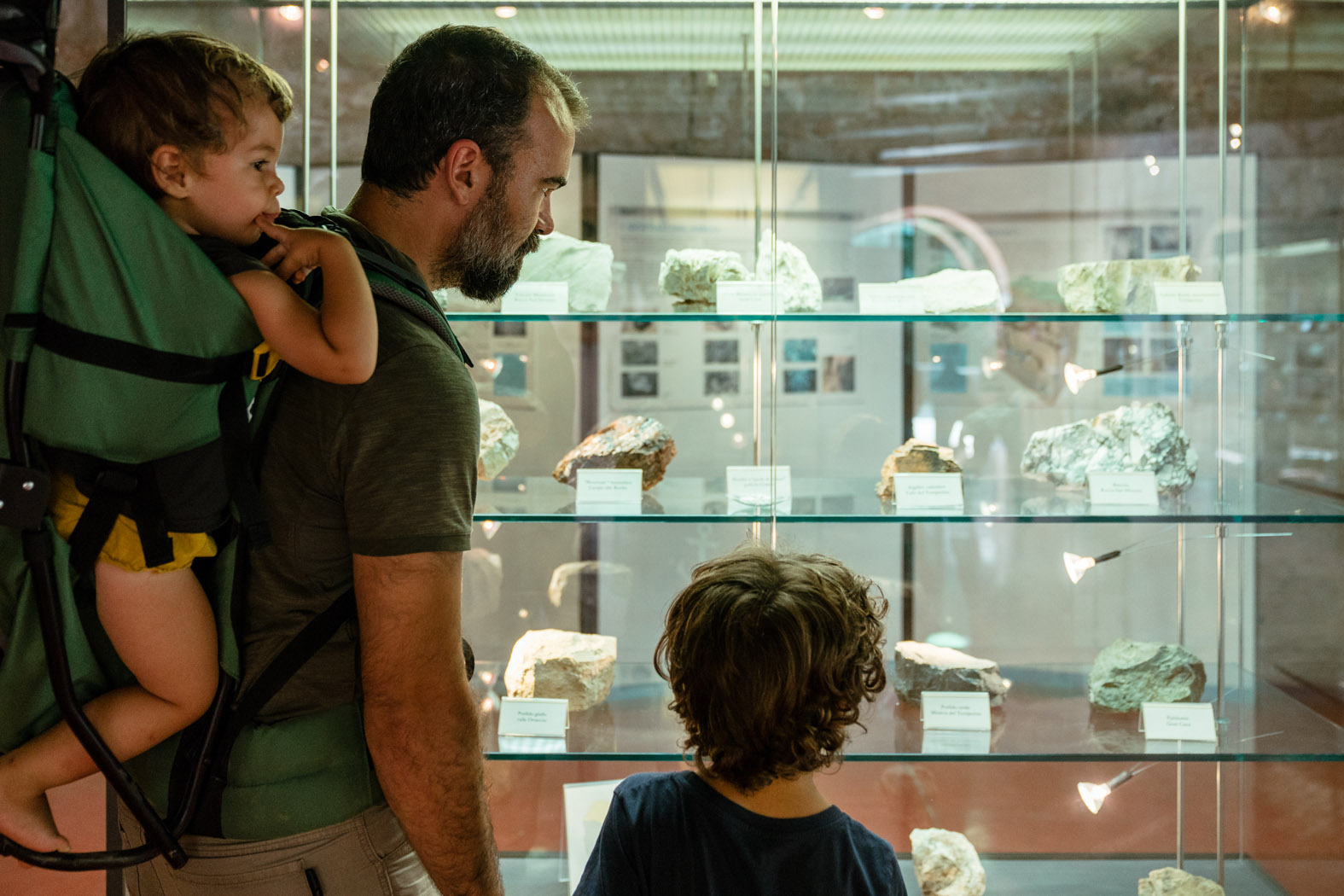
The section dedicated to minerals, consisting of over 150 minerals from the local area, is situated on the ground floor. It features educational panels that introduce visitors to the geological history of the area and is organized into thematic display cases dedicated to collectible minerals, the main rocks outcropping in the park area, and in particular to skarn, the rock that contains so-called “mixed sulfides,” minerals in which sulfur is bound to copper, lead, silver, and iron. The display case dedicated to these minerals concludes the educational path.
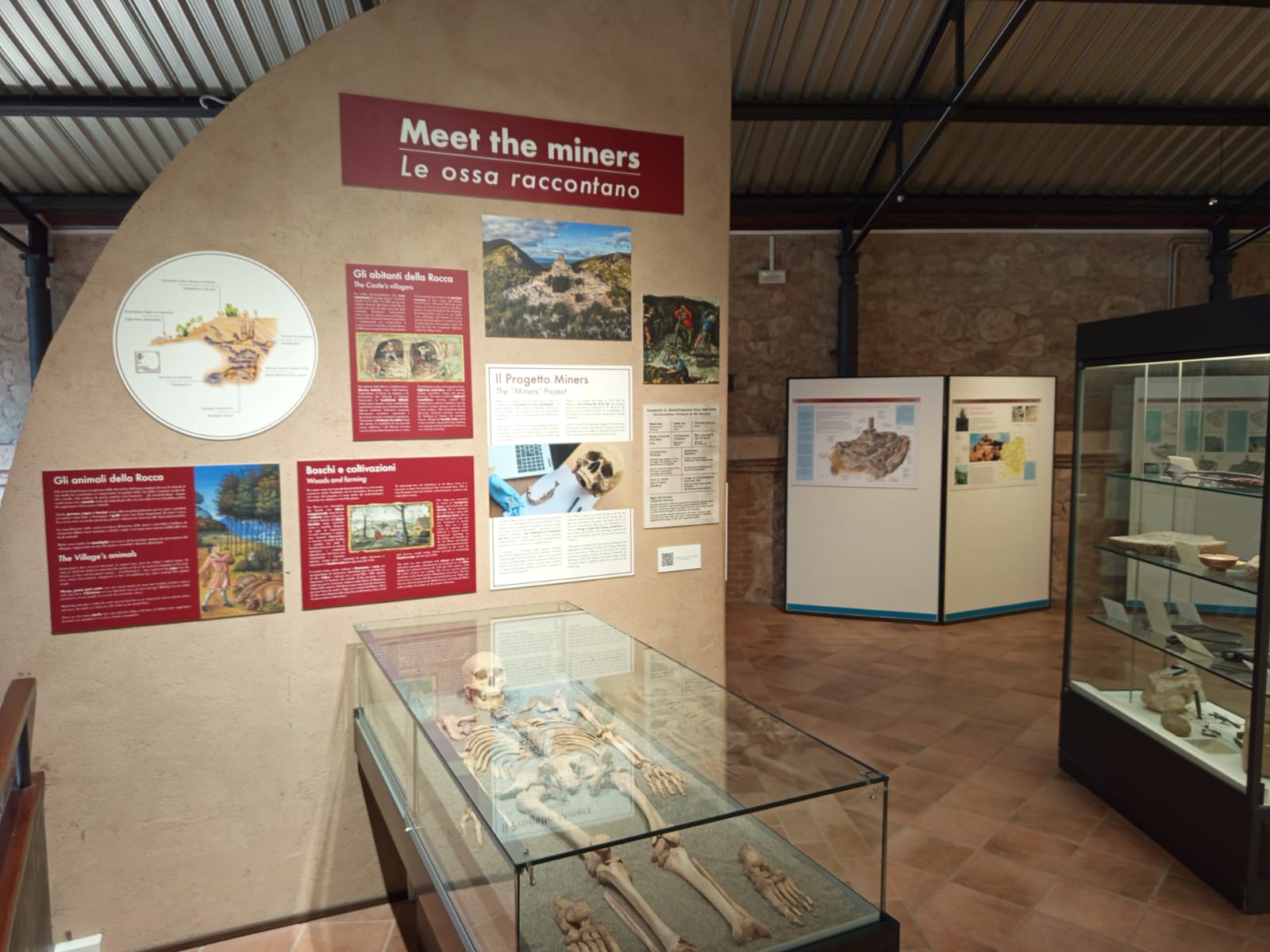
On the two rooms on the first floor, there is the Archaeological Museum where you can explore the history of the medieval settlement of Rocca San Silvestro. This history has been uncovered through archaeological excavations carried out by the Department of Medieval Archaeology at the University of Siena between 1984 and 1996, in preparation for the opening of the archaeological-mining park, which complements the visit. The exhibition traces the history of the territory and the techniques of extraction and metallurgical activities used in ancient times, through the display of over 300 artifacts found during the archaeological excavation of the site and an educational panel with illustrative reconstructions.
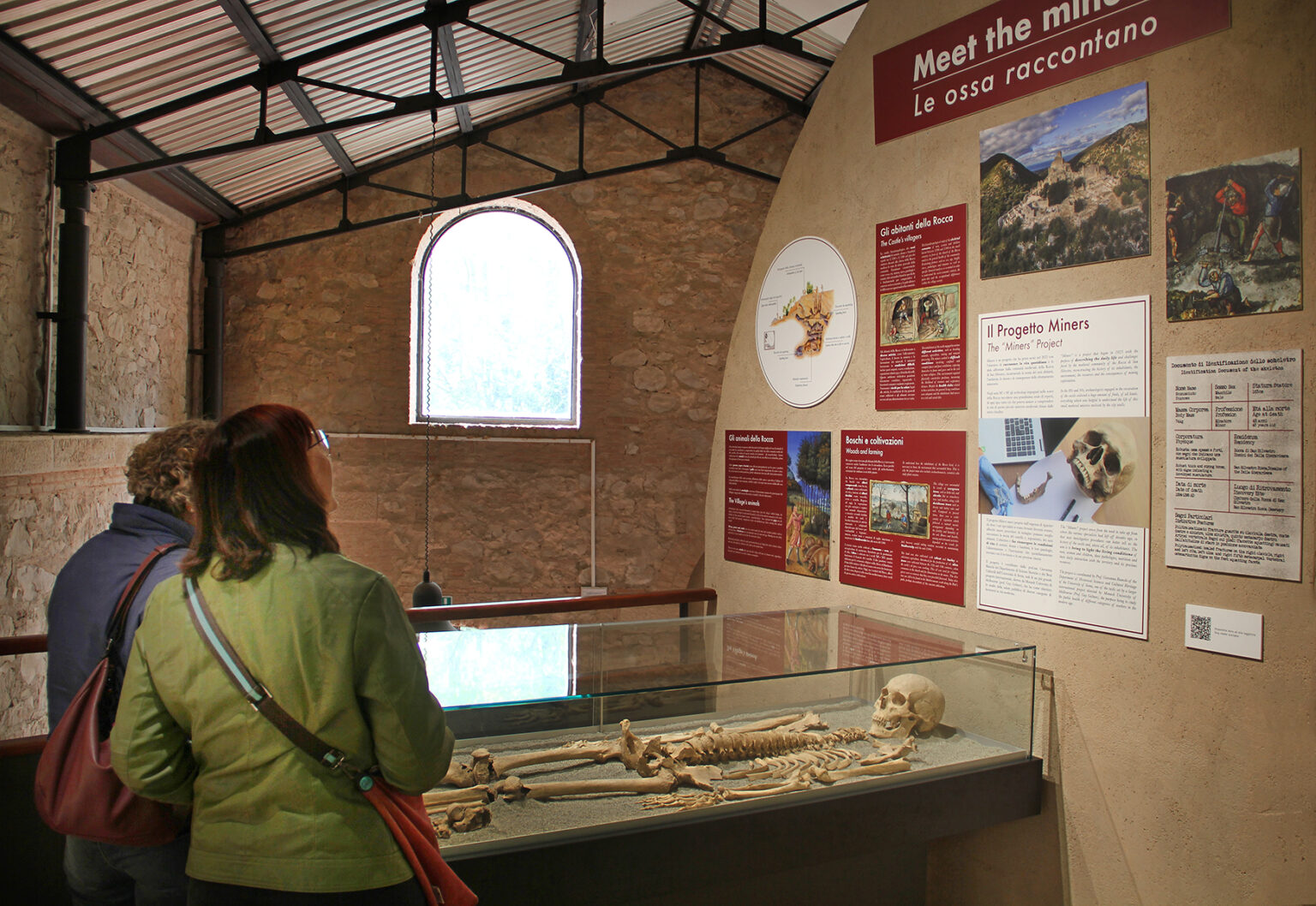
In 2025, this part of the museum was enhanced with the new exhibit “Meet the Miners – The Bones Tell the Story”, which highlights the results of the Miners project, an international initiative led by the Department of Historical Sciences and Cultural Heritage at the University of Siena. At the center of the new display is the skeleton of a miner discovered in recent decades during archaeological investigations directed by Professor Riccardo Francovich in the cemetery in front of the Church of Rocca San Silvestro. Thanks to new bio-archaeological and geo-archaeological research, this find has provided an extraordinary opportunity to uncover traces left by our ancestors. The project has also provided new insights into the life of the community living in Rocca San Silvestro, exploring aspects such as demography and lifestyle, analyzing age at death, injuries sustained, occupational indicators, health conditions, diet, and interactions with the territory and its resources.
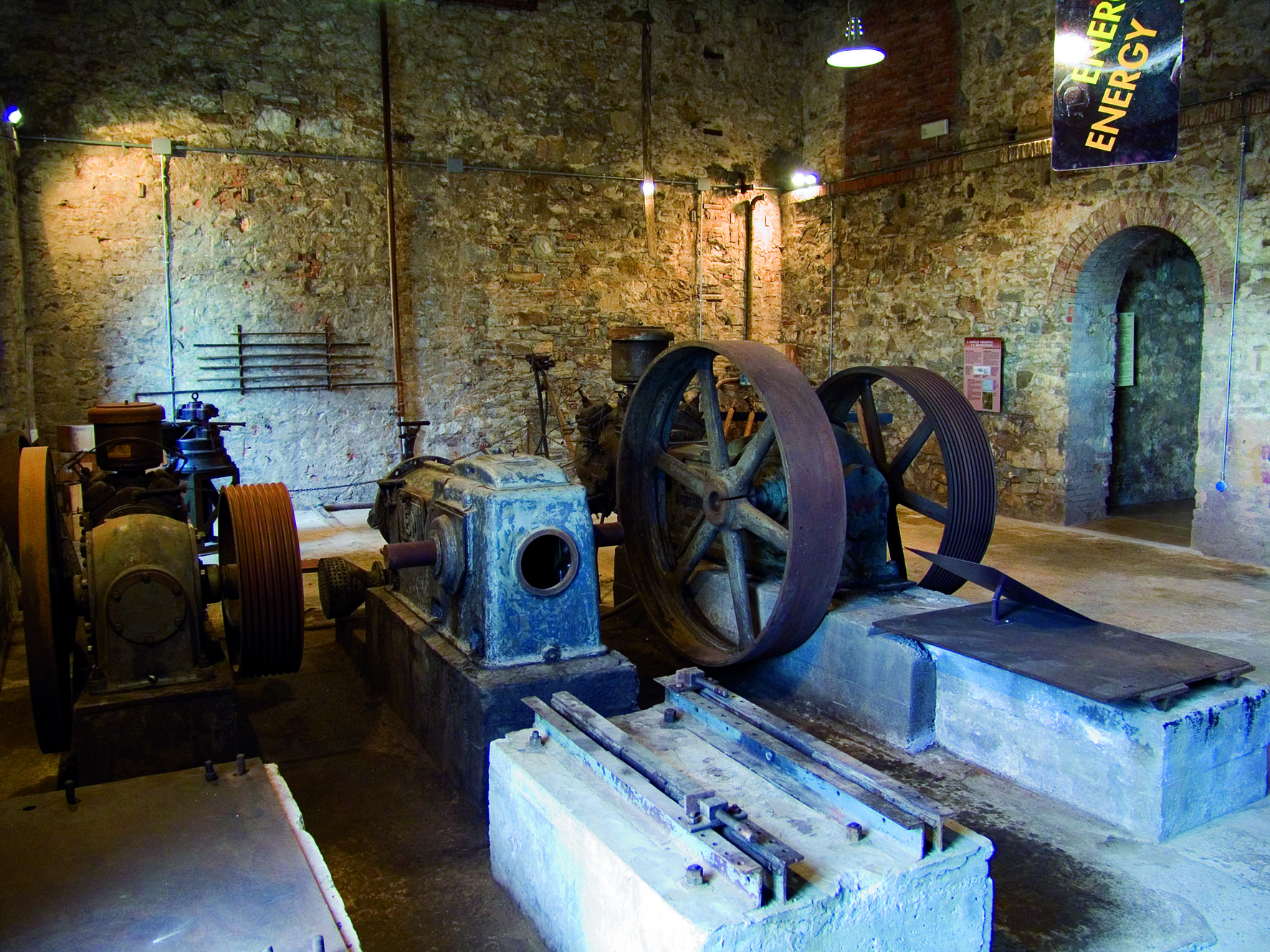
In the Pozzo Earle area, the structure that housed the winch and, in the final phase of activity, descended to the sixth level of the mine, not only serves as a museum of itself but has also been set up as the Mining Machinery Museum. It features an exhibition of over 50 machines and tools used during mining activities throughout the 1900s. Here, the use of various machinery from the last phases of activity is explained through an internal and external route accompanied by panels, showcasing the equipment that remained where they were abandoned on the last day of the mine’s operation.
Along the path leading to the entrance of the Lanzi Temperino gallery, there is a metal ‘shack’ used by miners as a changing room and dining area, called Morteo after the name of the company that built it. This structure, also used by visitors as a resting point, is dedicated to the memory of the miners and is set up with large photographs of old printed on canvas and panels that tell their story—about their lives, work, illnesses, and union struggles to prevent the mine’s closure. A video featuring their voices is projected on a wall, creating a background hum for those sitting on the benches where they used to have their meals before returning to work.